When people think about data centers, they usually picture rows of servers, advanced technology, and secure facilities. What they don’t often see is the civil infrastructure that makes those operations possible.
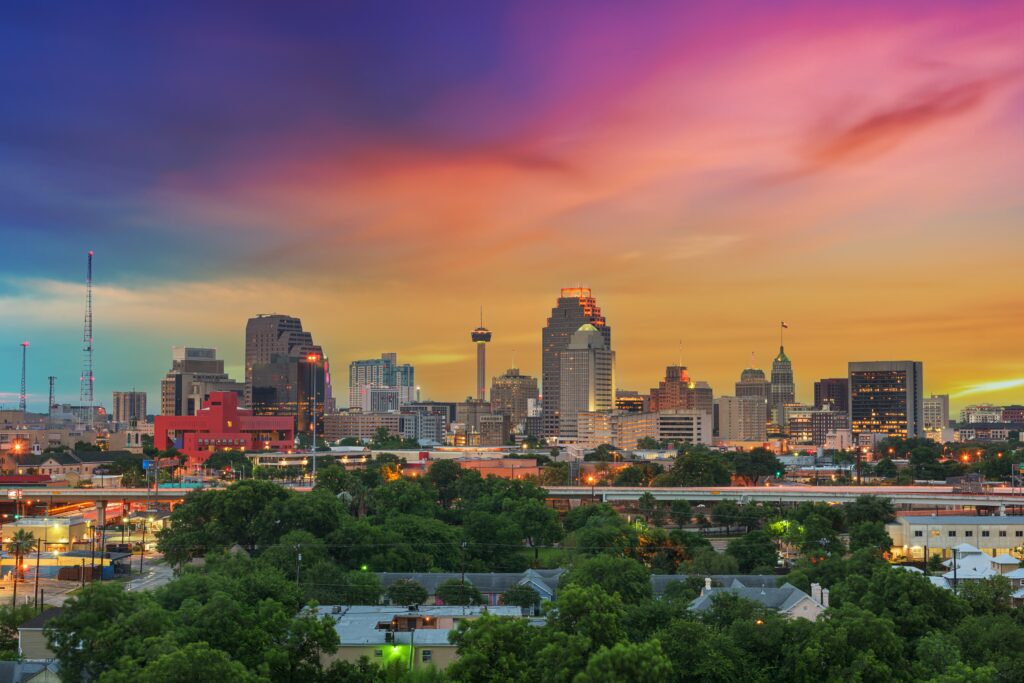
Texas is in the middle of a data center boom. According to The Texas Tribune, the state already has 335 operating data centers, with at least 248 more projects planned. As demand for artificial intelligence, cloud computing, and digital services continues to grow, each new facility creates the need for extensive site development, utility coordination, roadway improvements, and drainage infrastructure long before the building itself takes shape.
While the completed facility may be the most visible part of the project, civil infrastructure is what allows it to function.
Every Data Center Starts with Site Development
Construction doesn’t begin with the building.
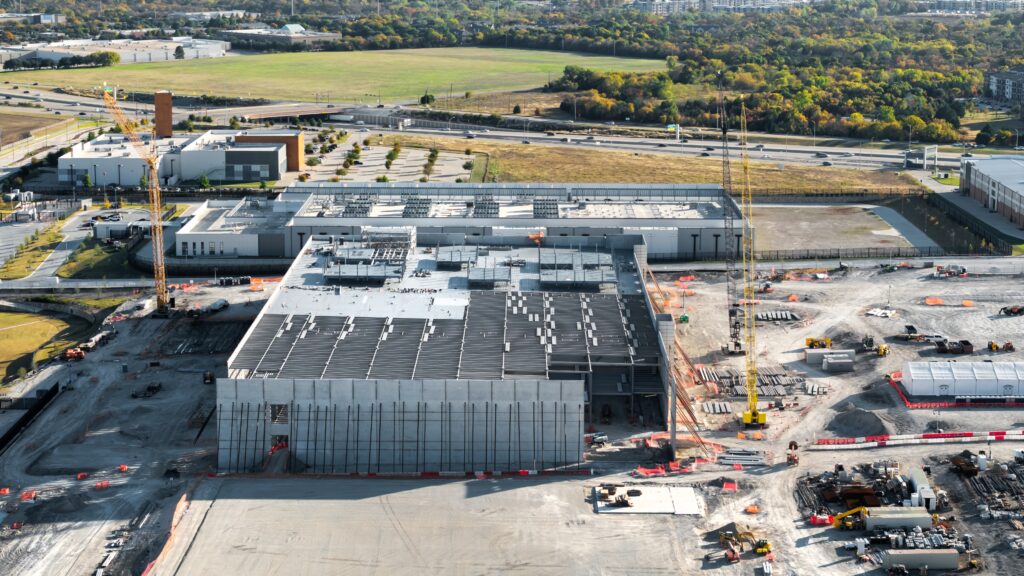
Long before concrete is poured or structural work begins, the site has to be prepared to support a project of this scale. That starts with grading the property, improving drainage, coordinating underground utilities, and building safe access for construction equipment and future traffic. Depending on the location, crews may also need to relocate existing utilities, stabilize the ground, or improve nearby roadways to accommodate increased activity.
Each of these steps lays the foundation for everything that follows. Proper site development helps keep construction on schedule, supports long-term performance, and ensures the infrastructure can handle the demands of a large, continuously operating facility.
For large-scale developments like data centers, this early work is just as important as the building itself.
Utilities Support More Than Daily Operations
Reliable utilities are essential for any commercial development, but data centers place especially high demands on supporting infrastructure.
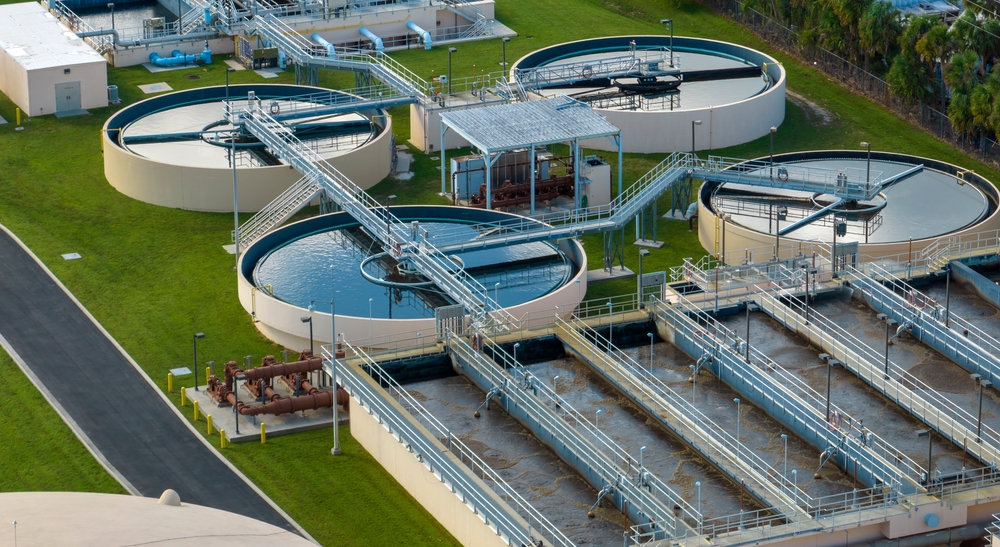
Electrical service, water infrastructure, stormwater management, and underground utilities all need to be carefully planned before construction begins. These systems must not only support current operations but also provide the capacity needed for future expansion as technology and demand continue to evolve.
Every large development has an impact beyond the project site. As traffic increases and demand on utilities grows, nearby roads, drainage systems, and public infrastructure can come under added pressure if they aren’t prepared for that growth. Planning utility infrastructure early helps communities strengthen those systems before new development is complete, reducing disruptions for the residents, businesses, and commuters who rely on them every day.
Infrastructure Extends Beyond the Property Line
Large developments don’t just affect the property where they’re built. During construction and after a facility opens, they can increase traffic, place additional demand on utilities, and change how surrounding infrastructure is used. That’s why many projects include improvements beyond the project site.
Supporting a data center may involve:
- Roadway widening and intersection improvements
- Utility extensions and relocations
- Stormwater drainage systems
- Site access improvements
- Traffic signal upgrades
- Coordination with existing public infrastructure
These improvements aren’t just designed to support the new facility. They also help surrounding roads, utilities, and public infrastructure keep up with growth, reducing strain on existing systems and helping nearby neighborhoods and businesses continue operating with fewer disruptions.
Data Center Growth Is Driving Infrastructure Investment Across Texas
Texas has become one of the nation’s leading destinations for large-scale data center development. As new facilities are announced, demand grows not only for technology but also for the civil infrastructure needed to support it.
Roadways, utilities, drainage systems, and site development all play a role in preparing communities for continued investment. In many cases, improvements made for one project increase capacity for future commercial and industrial development throughout the surrounding area.
That’s why infrastructure planning remains an essential part of Texas’ continued growth.
Civil Infrastructure Supports Long-Term Growth
Texas continues to grow, and every new investment brings new demands on the infrastructure that supports it. Meeting those demands requires thoughtful planning, experienced contractors, and a long-term approach to construction. As industries expand and communities evolve, investing in reliable civil infrastructure helps create the capacity needed for future development while supporting the people and businesses that depend on it every day.
E-Z Bel Construction works alongside public agencies and private partners to deliver civil construction projects that strengthen communities across Texas. From transportation improvements to complex site development, our team is committed to delivering quality work that supports responsible growth and lasting investment. As Texas continues to evolve, we’re proud to help build the infrastructure that keeps communities connected and prepares them for what’s ahead.