When people think about delays on construction projects, they often picture bad weather, material shortages, or unexpected field conditions. In reality, one of the biggest factors affecting project schedules happens long before equipment ever arrives on site.
Before roads are built, utilities are installed, or foundations are poured, projects must move through a permitting and review process. Those approvals help ensure developments meet local regulations, safety requirements, engineering standards, and community planning goals. While that process is essential, lengthy review timelines can also delay projects that are otherwise ready to begin.
Recognizing this challenge, the City of Austin recently approved contracts with two private firms to help accelerate development reviews and reduce permitting backlogs. As highlighted in E-Z Bel Construction’s Market Intelligence Weekly, the goal is to move more projects through the approval process while maintaining review standards.
The announcement reflects a challenge many growing communities continue to face: balancing responsible oversight with the need to keep infrastructure projects moving.
What Is Construction Permitting?
Construction permitting is the process of reviewing proposed projects before work begins. Depending on the type of development, this may involve multiple departments evaluating engineering plans, utilities, drainage, roadway connections, environmental considerations, accessibility, and other project requirements.
Permitting helps verify that projects are designed to meet local codes while supporting the safety and long-term performance of public infrastructure.
Although construction often receives the most attention, much of a project’s progress depends on completing these reviews efficiently.
Why Permitting Can Take Time
Large infrastructure and site development projects are complex by nature.
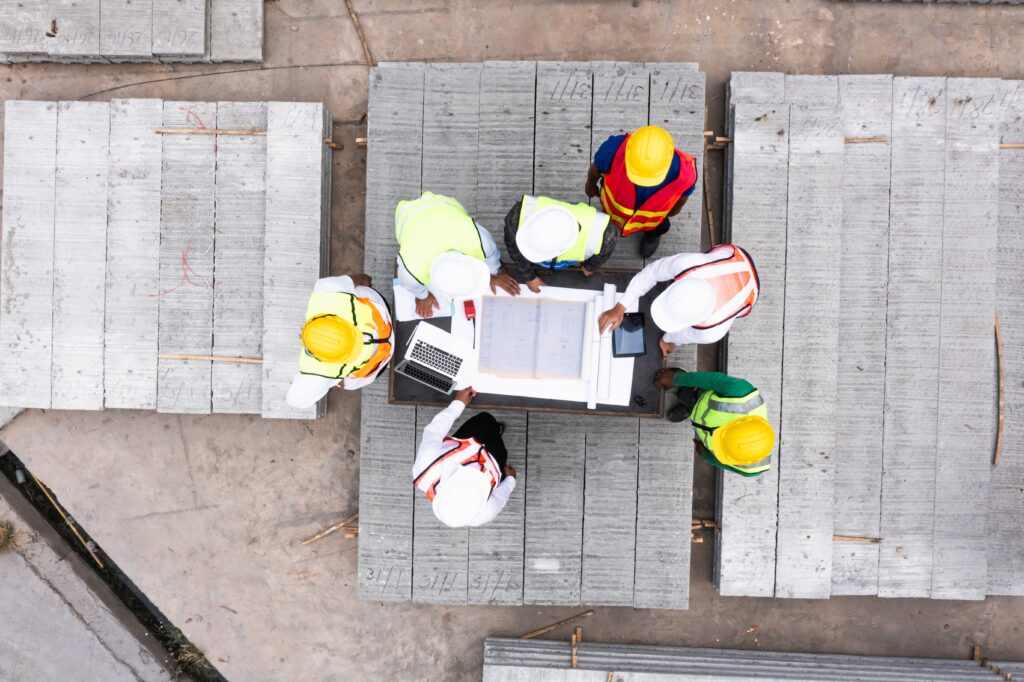
A single project may require coordination between engineers, architects, utility providers, transportation agencies, municipalities, and environmental reviewers. Plans often move through multiple rounds of comments and revisions before receiving final approval.
As cities continue to grow, the number of projects entering the review process also increases. Without sufficient staffing or resources, permitting queues can become longer, creating delays that affect not only developers but also contractors, suppliers, and surrounding communities.
Delays Affect More Than Construction Schedules
When permitting slows down, the effects extend well beyond the project itself.
Delayed approvals can postpone infrastructure improvements that communities are waiting on, including roadway upgrades, utility expansions, drainage improvements, and public facilities.
Longer review timelines can also create uncertainty for developers, impact project budgets, and delay the economic benefits new developments are expected to bring, from job creation to expanded services and increased investment.
While every project should receive a thorough review, improving the efficiency of that process allows communities to move needed infrastructure forward without sacrificing quality or safety.
Why Cities Are Exploring New Approaches
Rather than lowering standards, many municipalities are looking for ways to increase review capacity.
Austin’s decision to use third-party firms for building and site plan reviews is one example of how cities are addressing growing workloads. By supplementing existing staff, these partnerships can help reduce bottlenecks and allow projects that are ready to move forward to do so more efficiently.
As communities continue to experience population growth and increased development, strategies like these may become more common across Texas and beyond.
Faster Reviews Support Better Infrastructure
Efficient permitting benefits more than individual projects.
When reviews move steadily, roadway improvements, utility upgrades, public facilities, and commercial developments can begin sooner, helping communities respond more effectively to growth.
For contractors, predictable review timelines improve project planning and coordination. For municipalities, they help ensure infrastructure investments reach the community sooner. For residents and businesses, they often mean less time waiting for improvements that enhance transportation, utilities, and public services.
The goal isn’t simply to approve projects faster. It’s to create a review process that is thorough, consistent, and responsive to the pace of community growth.
Good Planning Leads to Better Projects
The most visible part of any infrastructure project is usually the construction itself, but every successful project begins with careful planning and review.
Construction permitting may happen behind the scenes, yet it plays a critical role in shaping project schedules, supporting public safety, and preparing communities for future development. As cities continue investing in transportation, utilities, and site development, improving the permitting process will remain an important part of delivering infrastructure that keeps pace with growth.
At E-Z Bel Construction, we know that successful projects are built long before crews arrive on site. Collaboration, coordination, and thoughtful planning help keep projects moving while delivering infrastructure that serves communities for years to come. Learn more about E-Z Bel’s approach to civil construction and explore the projects helping shape the future of Texas.