When people think about community growth, they often picture new neighborhoods, businesses, or schools. What they don’t always see is the infrastructure that makes that growth possible.
A recent update from the San Antonio Water System (SAWS) highlights why these projects deserve attention. In June, the San Antonio City Council voted to delay a decision on a proposed SAWS rate increase until October. According to SAWS, that delay could postpone major infrastructure improvements, including wastewater treatment plant upgrades, while increasing construction costs as projects move further into the future. The proposed four-year capital plan represents an investment of approximately $3.2 billion in infrastructure investment, demonstrating the scale of planning required to support a growing city.
While discussions about rates often focus on monthly utility bills, they also raise a broader question: why are water infrastructure projects so important in the first place?
Water Infrastructure Supports Every Growing Community
Water infrastructure is one of the most essential systems a city maintains. It includes drinking water distribution, wastewater collection and treatment, pumping stations, underground utilities, and other systems that allow communities to operate safely every day.
As cities grow, these systems must grow alongside them. New homes, businesses, hospitals, and industrial developments all increase demand on existing infrastructure. Without continued investment, aging systems can struggle to keep pace with population growth and future development.
That’s why many communities regularly evaluate their infrastructure needs years in advance rather than waiting for problems to occur.
Why Delays Can Have Long-Term Impacts
The recent SAWS discussion also illustrates another challenge facing infrastructure projects: timing.
When projects are postponed, the work itself doesn’t disappear. Instead, construction often becomes more expensive as labor, materials, and equipment costs continue to rise. Delaying critical infrastructure projects can also extend construction timelines, making it more difficult for communities to address aging systems before they require more extensive repairs.
When project costs increase, infrastructure improvements often take longer to reach the communities that need them. That can mean delayed projects that support growing neighborhoods, local businesses, and the essential services Texas residents rely on every day.
Planning Today for Tomorrow’s Growth
Large-scale water infrastructure projects rarely begin when construction crews arrive on site.
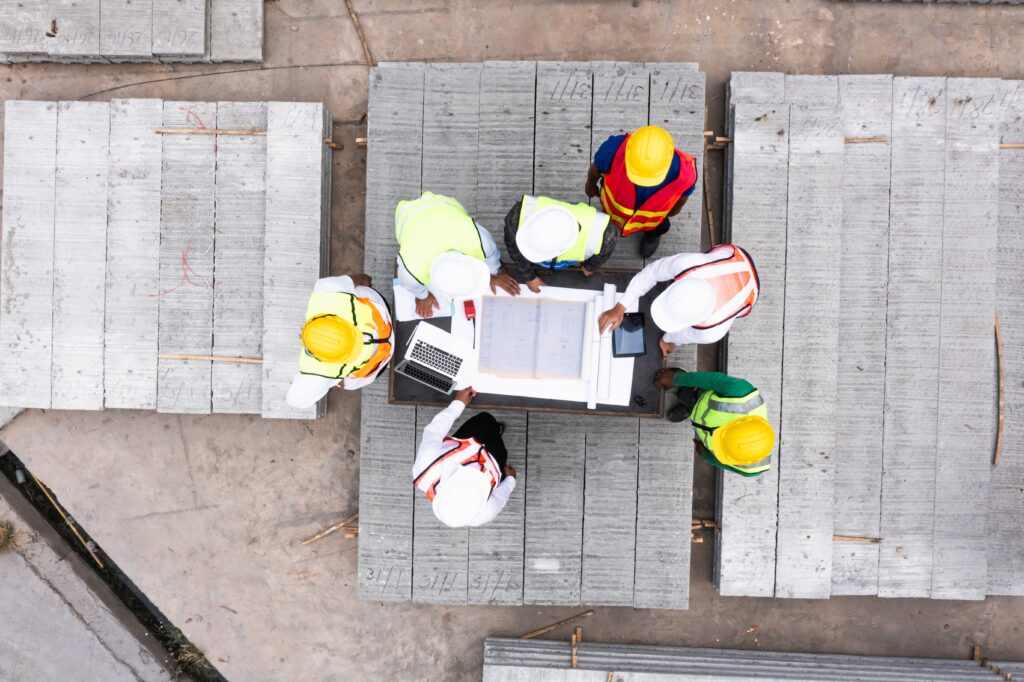
Before construction starts, communities spend years identifying future needs, evaluating existing systems, designing improvements, securing funding, and coordinating with engineers, utilities, and public agencies. This long-term planning helps ensure infrastructure can support future growth while maintaining reliable service for current residents.
The proposed SAWS capital plan demonstrates this type of forward-looking approach. Rather than responding only to immediate needs, these investments are intended to strengthen water and wastewater systems that communities will rely on for decades.
Investing in Infrastructure Means Investing in Communities
Water infrastructure often operates behind the scenes, but its impact is felt every day. Reliable water and wastewater systems support public health, encourage economic development, and provide the foundation for new housing, commercial growth, healthcare facilities, and transportation improvements.
As communities continue to expand, investments like SAWS’ Capital Improvement Program highlight the importance of planning for the future rather than reacting to aging infrastructure after problems arise. Projects like these help ensure residents and businesses have dependable systems they can count on for years to come.
At E-Z Bel Construction, we’re proud to help build the infrastructure that keeps Texas communities moving forward. From water and sewer improvements to large-scale civil infrastructure projects, our work is focused on creating reliable systems that serve communities today while preparing them for tomorrow. Explore our services or project portfolio to learn more about how we’re helping shape the future of infrastructure across Texas.