When most people think about a public transit project, they picture buses, stations, and passengers traveling through the city. While those are the most visible parts of the system, they’re only the final result of years of planning and construction happening behind the scenes.
One project that showcases the complexity of modern transit construction is VIA Transit’s Green Line. The 11.7-mile corridor will connect San Antonio International Airport to Steves Avenue with more than 25 stations, dedicated transit lanes, and upgraded intersections. Behind the scenes, the project also includes signal improvements, water and sewer infrastructure, and irrigation work. E-Z Bel Construction is contributing to these critical improvements, reinforcing that successful transit systems depend on far more than buses and stations alone.
While riders will eventually experience faster, more reliable service, the work required to make that possible extends far beyond laying pavement or installing bus stops.
Building a Transit Corridor Starts Long Before Service Begins
Projects like the VIA Green Line begin years before the first bus enters service. Planning involves transportation agencies, engineers, municipalities, utility providers, and construction teams working together to create a system that fits within an existing city while preparing for future growth.
Every decision, from station locations to traffic patterns, must consider how the project will interact with surrounding neighborhoods, businesses, utilities, and roadways. The goal isn’t simply to create a transit route. It’s to build a corridor that safely and efficiently supports thousands of daily commuters while minimizing disruption to the surrounding community.
More Than Roads and Bus Stops
One of the most interesting aspects of the Green Line project is the variety of work involved. In addition to the transit corridor itself, the project includes signal improvements, water and sewer infrastructure, and irrigation. While these elements may seem unrelated to public transportation at first glance, each plays an essential role in creating a safe, reliable, and successful transit system.
Traffic Signals
Modern rapid transit depends on efficient traffic flow. Upgraded signalized intersections help buses move through busy corridors more predictably while improving safety for drivers, pedestrians, and cyclists. Signal improvements also help coordinate traffic movements as dedicated transit lanes are introduced into existing roadways.
Water and Sewer Improvements
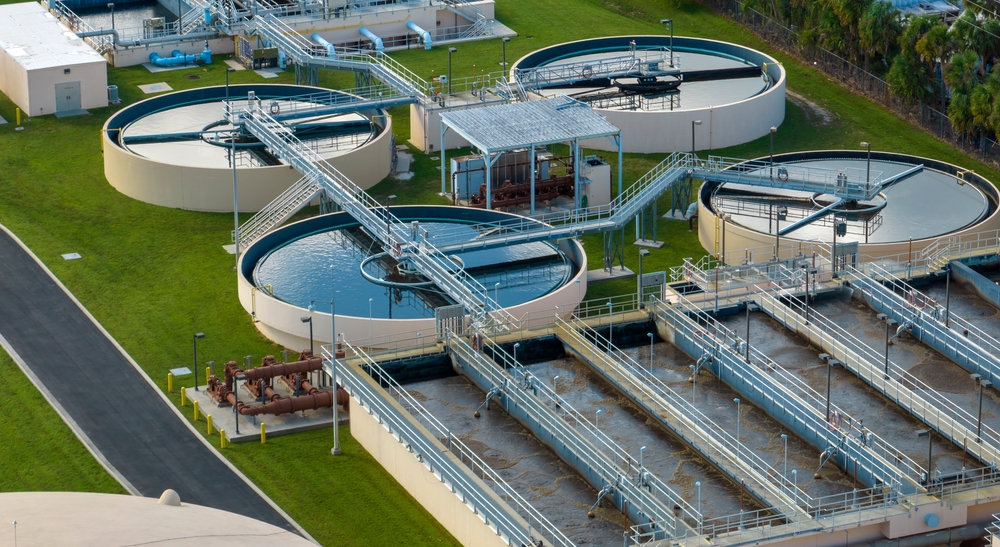
Transit projects often require underground utility work before visible construction can begin. Existing water and sewer lines may need to be relocated, upgraded, or protected to accommodate roadway improvements, station construction, and future community growth. Addressing these systems during construction helps reduce future disruptions and supports reliable public services long after the transit project is complete.
Irrigation and Streetscape Enhancements
The landscaping people see along a transit corridor depends on the infrastructure beneath it. Irrigation systems help establish and maintain vegetation throughout medians, stations, and public spaces, creating corridors that remain attractive and functional over time.
Creating Safer, More Connected Streets
The Green Line will include dedicated center-running transit lanes and dozens of upgraded intersections. These improvements are designed to support smoother travel while enhancing safety for everyone who uses the corridor.
Well-designed transit corridors can improve how different forms of transportation work together. Drivers benefit from clearer traffic patterns, pedestrians gain safer crossings, cyclists experience better connectivity, and transit riders enjoy more reliable service. Rather than focusing on a single mode of transportation, projects like the Green Line aim to create streets that better serve the needs of the entire community.
Investing in the Future of San Antonio
Major transit projects often become long-term investments in a city’s future. Beyond improving mobility, they can encourage economic development, increase access to jobs and services, and support continued growth throughout surrounding areas.
The Green Line reflects that broader vision. While the buses and stations will eventually become the most recognizable features of the project, they’re supported by extensive work happening both above and below the surface. From upgraded signals and underground utilities to roadway improvements and public spaces, each component contributes to a transit system built to serve San Antonio for decades.
Looking Beyond the Finished Project
When construction is complete, many of the most important improvements will go unnoticed by the average commuter. Underground utilities, upgraded intersections, and supporting systems rarely receive the same attention as new stations or transit vehicles, yet they’re essential to the project’s long-term success.
Projects like VIA Transit’s Green Line demonstrate that building modern transit infrastructure requires far more than what people see on opening day. It takes careful planning, coordination, and the expertise to deliver the infrastructure that keeps communities connected for years to come.
At E-Z Bel Construction, we’re proud to contribute to projects that strengthen how Texas communities move, grow, and stay connected. Whether it’s improving transportation corridors, installing underground utilities, or upgrading critical infrastructure, our work helps lay the foundation for safer, more reliable communities. Explore our transportation and civil infrastructure services to learn more about how E-Z Bel is helping build the future of Texas.