Laredo’s growth is tied to systems that have to do several jobs at once. Roads and bridges carry residents, workers, and commercial traffic. Water and wastewater systems have to serve existing neighborhoods while making room for future development. At the same time, the city’s international crossings support freight movement that reaches far beyond South Texas.
That combination makes long-term planning especially important. The City of Laredo is currently advancing a proposed 2027-2031 Capital Improvement Plan, while major projects such as the World Trade Bridge expansion continue moving through separate funding and approval processes. Together, those efforts show how growth in a border city depends on more than one major project or funding source. The City’s current CIP page lists the 2027-2031 plan as proposed rather than adopted.
Growth Puts Pressure on More Than Roads
Laredo had an estimated population of 269,515 in 2025, up about 5.6% from the 2020 estimates base, according to the U.S. Census Bureau. That growth adds demand to systems residents already depend on every day, including water service, wastewater capacity, streets, drainage, and access to jobs and commercial areas.
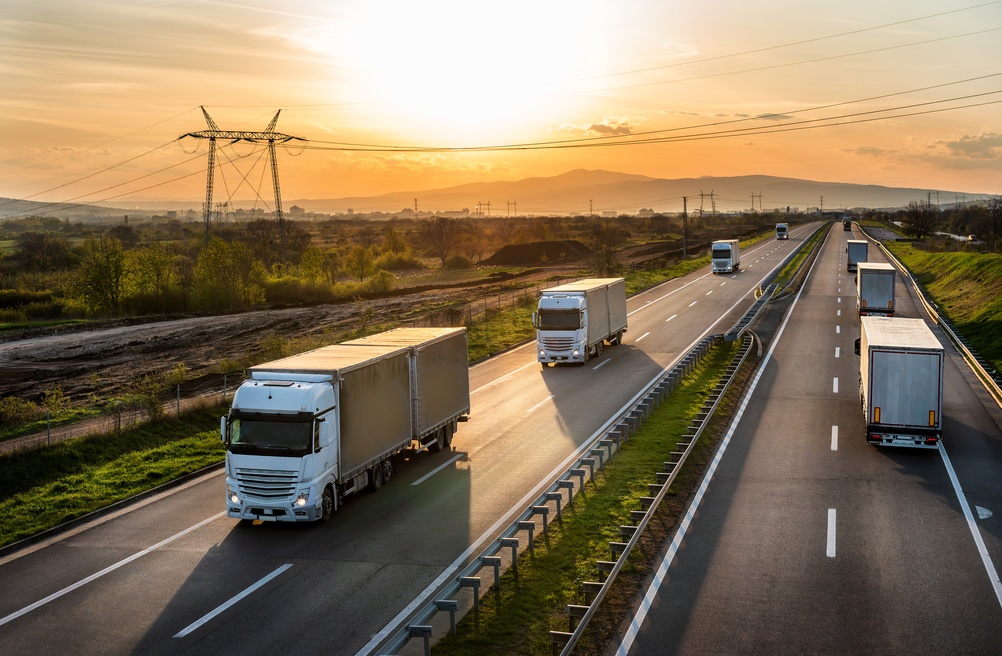
In a city like Laredo, those local needs overlap with a much larger freight network. Commercial vehicles moving between the United States and Mexico use many of the same regional connections that residents and businesses rely on. When development expands, the challenge is not simply adding capacity in one place. Water, wastewater, streets, bridges, and access routes have to keep pace together.
That is why capital planning matters beyond the size of the headline number. The useful question is whether projects across those systems are being timed and coordinated in a way that supports the people and businesses already using them while preparing for additional demand.
Water and Wastewater Are a Major Part of the Picture
Water and wastewater work often receives less public attention than a new roadway or bridge, but it can determine where and how a city is able to grow.
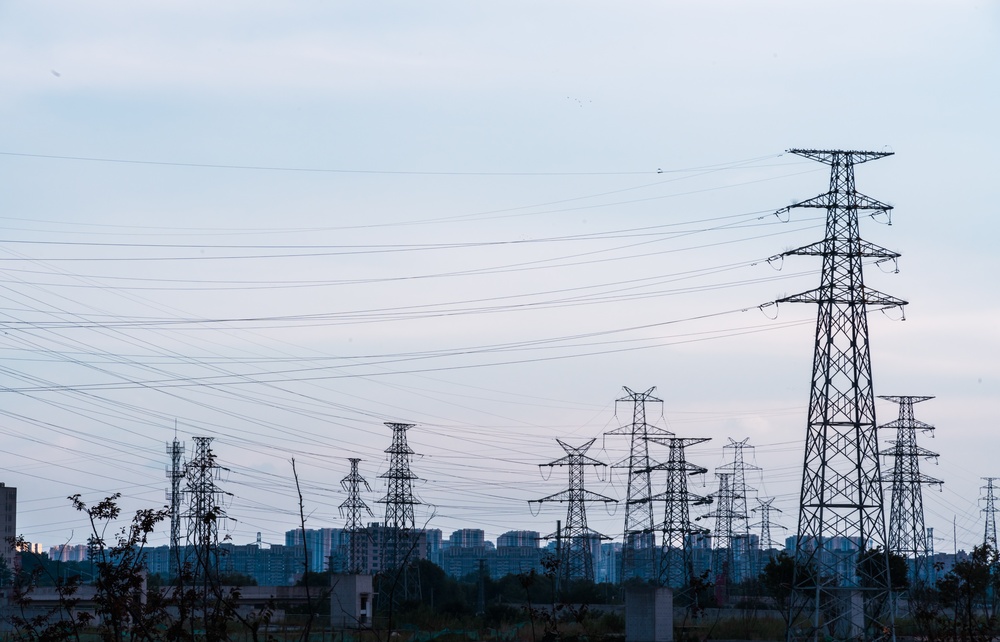
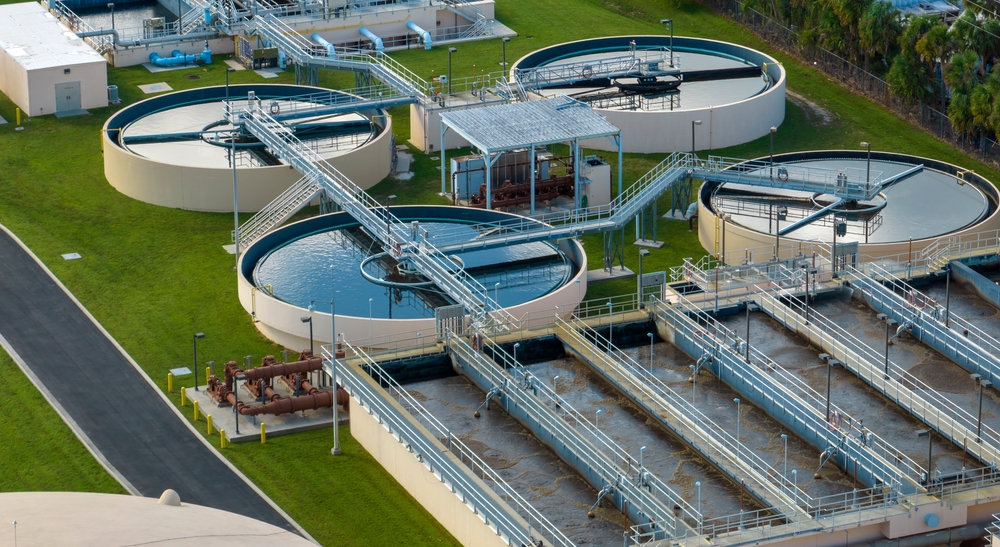
Laredo’s previous adopted 2026-2030 Capital Improvement Plan programmed roughly $290 million for water and $271 million for wastewater, showing the scale of investment already being directed toward those systems. City capital documents also identify projects such as additional water supply, storage, and utility improvements among the city’s priorities.
Those projects affect more than new development. Existing neighborhoods depend on reliable water pressure, wastewater capacity, and systems that can be maintained without repeated service disruptions. As growth extends farther from established service areas, cities also have to consider how new mains, storage, pumping, and treatment needs connect back into the existing network.
For contractors and public agencies, that makes utility planning closely connected to roadway and site work. A street may need to be reconstructed once, but the utilities beneath it have to be considered before that pavement goes back down.
The World Trade Bridge Shows the Scale of Laredo’s Trade Role
The World Trade Bridge expansion adds another layer to Laredo’s growth story. The City, TxDOT, and FHWA are advancing a project that would widen the existing bridge with two additional southbound lanes and construct a new eight-lane northbound bridge across the Rio Grande. TxDOT’s project page lists the proposed span at approximately 1,479 feet.
The project also received a $25 million federal BUILD grant in 2026. That funding supports a larger expansion effort intended to increase commercial capacity and reduce pressure at one of the country’s most important land ports.
For Laredo residents, freight growth is not something that happens separately from daily life. Trucks still have to reach the bridge through the surrounding road network, workers still need access to warehouses and logistics facilities, and nearby businesses and neighborhoods still depend on reliable local streets. Expanding the crossing only works well if the roads, utilities, and other systems feeding it can handle the additional activity.
Why These Systems Have to Be Planned Together
The connection between water, roads, and trade becomes clearer when projects are viewed as part of the same city rather than as separate capital categories.
| System | What growth can demand |
| Water and wastewater | Additional capacity, storage, distribution, collection, and replacement of aging lines |
| Roadways and local access | Safer connections for residents, employees, deliveries, and commercial traffic |
| International bridges | Greater freight capacity and more efficient movement across the border |
| Drainage and site systems | Improvements that allow new development without creating new problems downstream |
A bridge expansion can improve cross-border capacity, but it cannot solve a water shortage. A new subdivision can add housing, but it still needs wastewater capacity and reliable access. A widened roadway can move more vehicles, but surrounding drainage and utilities still have to function beneath and beside it.
That interdependence is where civil construction becomes especially important. The work may be separated into different contracts and funding programs, but residents experience the result as one connected system.
Preparing for Growth Without Losing Sight of Existing Needs
Laredo’s proposed capital planning reflects a city balancing several pressures at once. It has to support international trade, accommodate population and development growth, maintain existing neighborhoods, and invest in systems that may take years to design and build.
That balance matters because new capacity should not come at the expense of the people already depending on the system. A city can prepare for more freight while still improving local access. It can extend utilities for future development while replacing older lines. It can plan large bridge projects while continuing street, drainage, and neighborhood work.
At E-Z Bel Construction, we see how closely those systems depend on one another across roadway, utility, drainage, structural, and traffic work. As Laredo continues planning for its next phase of growth, the work ahead will depend on coordinating those pieces in a way that serves both the city’s role in international trade and the people who call it home.