
San Antonio residents currently receive electric service through CPS Energy, the city-owned utility that operates outside Texas’ competitive retail electric market. That could change under a proposal announced in August that would ask the Texas Legislature to open municipally owned utilities such as CPS Energy to retail competition, giving customers the ability to choose who sells them electricity.
The important distinction is that choosing an electric provider is not the same as choosing who owns and maintains the local electric system. Understanding that difference helps explain what could change for customers and what would likely remain in place if the proposal moves forward.
Choosing a Provider Is Different From Choosing the Utility Network
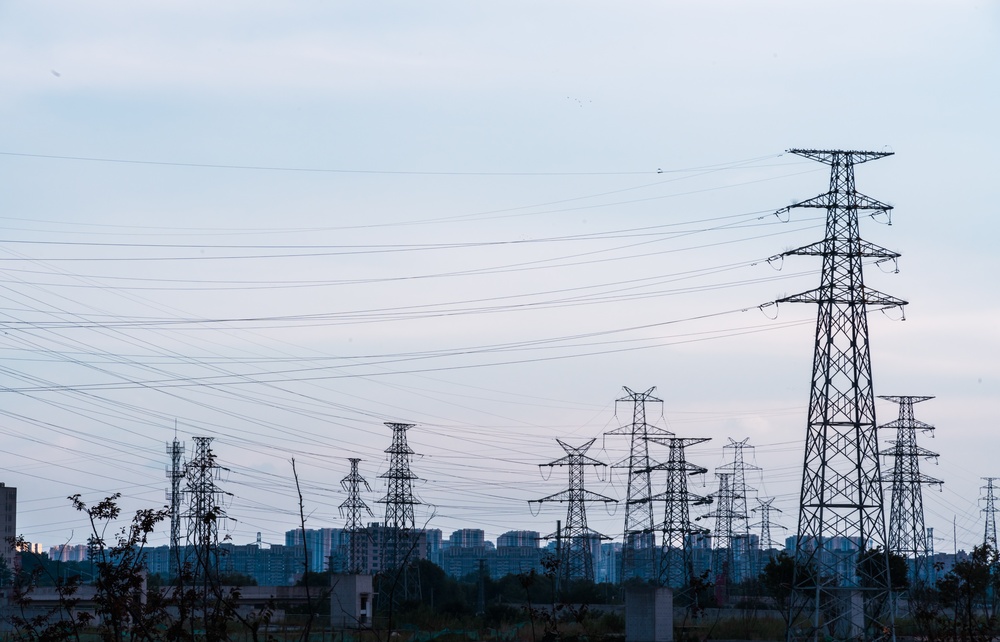
In competitive parts of Texas, the company that sells electricity to a customer is usually separate from the company responsible for delivering it. Retail electric providers compete for customers, while transmission and distribution utilities continue operating the poles, wires, substations, and other equipment that physically carry electricity to homes and businesses.
San Antonio works differently today because CPS Energy performs both roles within one municipally owned system. Its current budget documents confirm that the city remains outside the Texas retail electric competitive market.
Under the proposal announced in August, customers could potentially choose among competing retail providers. The exact structure, including how responsibilities would be divided, would depend on legislation considered during the 2027 Texas legislative session.
What Could Change for Customers
The most visible change would be customer choice. Instead of receiving electric service through one provider, San Antonio households and small businesses could potentially compare different plans, contract terms, pricing structures, and service options.
That does not necessarily mean every part of electric service would change with the provider. In Texas markets that already have retail competition, the local transmission and distribution utility still maintains the physical delivery system and handles functions such as outages and service connections.
For customers, that distinction is important. The company selling the electricity could change while the poles, wires, substations, and other equipment serving the neighborhood remain part of the same local network.
What Still Has to Be Decided
The proposal is not an approved change to San Antonio’s electric market. It would require action by the Texas Legislature, and many of the details that would determine how retail competition works for CPS Energy customers have not yet been established.
Those details include customer protections, billing responsibilities, oversight of the local distribution system, and the financial relationship between CPS Energy and the City of San Antonio. CPS Energy currently transfers 14% of its gross revenues to the City, helping fund services including streets, public safety, parks, and libraries. CPS Energy’s financial information identifies that contribution as part of its current municipal ownership structure.
Those questions will matter as the proposal develops because retail choice is only one part of a much larger electric system.
The Physical Electric System Still Has to Grow
Regardless of who sells electricity, San Antonio still needs the physical network that delivers it. New neighborhoods, businesses, manufacturing sites, and other development can require new or relocated conduit, duct banks, service connections, and other electrical facilities alongside roadway and utility work.
That work is closely connected to the systems people encounter every day. A roadway expansion may require utilities to be relocated before new pavement goes down. A growing development may need electrical facilities coordinated with water, sewer, drainage, and access improvements. Even when the retail side of electricity changes, those physical connections still have to be planned, built, and maintained.
At E-Z Bel Construction, our work around roadways, utilities, drainage, and traffic systems often intersects with these kinds of utility improvements. As San Antonio considers what electric choice could look like, separating the retail provider from the physical network helps clarify which parts of the system may change and which will continue to shape how the city grows.